
Appliances are essential components of modern homes, providing convenience and efficiency. However, they are prone to wear and tear, especially in busy households. Understanding common appliance issues and how to prevent them can save time, money, and frustration. This guide offers practical advice on avoiding frequent problems with household appliances in Toronto and surrounding areas.
Understanding Common Appliance Issues Guide
Appliances such as refrigerators, washing machines, ovens, and dishwashers often encounter similar problems. These issues can arise from improper use, lack of maintenance, or natural aging. Recognizing early signs and addressing them promptly can extend the lifespan of appliances.
Some of the most frequent appliance problems include:
Refrigerator not cooling properly: This may be due to dirty condenser coils, faulty thermostats, or door seal leaks.
Washing machine not draining or spinning: Often caused by clogged filters, blocked hoses, or worn-out belts.
Oven not heating evenly: Could result from malfunctioning heating elements or inaccurate temperature sensors.
Dishwasher leaving dishes dirty: Usually linked to clogged spray arms, blocked filters, or detergent issues.
Regular inspection and maintenance are key to preventing these problems. For example, cleaning refrigerator coils every six months improves cooling efficiency. Similarly, checking and cleaning washing machine filters monthly can prevent drainage issues.

Preventive Maintenance Tips for Household Appliances
Preventive maintenance is the most effective way to avoid common appliance issues. It involves routine checks, cleaning, and minor repairs before problems escalate. The following tips apply to most household appliances:
Read and follow manufacturer instructions: Proper use and care reduce the risk of damage.
Keep appliances clean: Remove dust, debris, and food residues regularly.
Inspect seals and gaskets: Replace damaged or worn seals to maintain efficiency.
Check hoses and connections: Look for leaks, cracks, or blockages.
Avoid overloading: Overuse can strain motors and components.
Schedule professional servicing: Annual inspections by qualified technicians can identify hidden issues.
For example, a washing machine user should avoid overloading the drum and use the correct detergent type and amount. This practice prevents excessive wear and residue buildup.
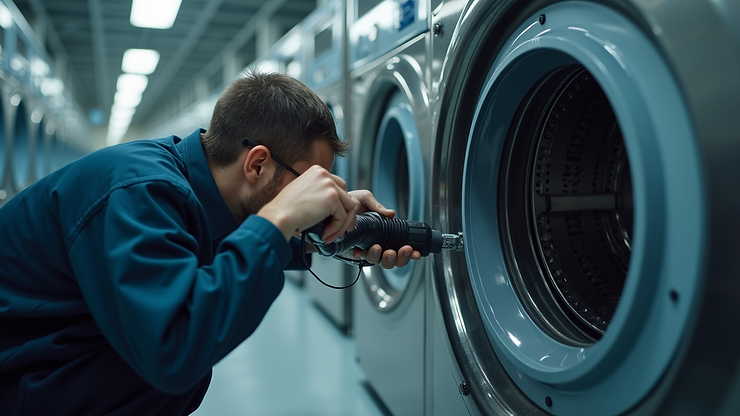
Is it worth it to fix an appliance?
Deciding whether to repair or replace an appliance depends on several factors. These include the appliance's age, the cost of repair, energy efficiency, and the severity of the problem.
Age of the appliance: Appliances older than 10 years may be less efficient and more prone to breakdowns.
Repair cost vs replacement cost: If repair costs exceed 50% of the price of a new appliance, replacement might be more economical.
Energy efficiency: Newer models often consume less energy, reducing utility bills.
Frequency of repairs: Frequent breakdowns indicate underlying issues that may justify replacement.
For minor issues or relatively new appliances, repair is usually worthwhile. However, for older units with multiple problems, investing in a new appliance may be more practical.
Consulting with a professional can provide a clear assessment. Reliable appliance repair Toronto services offer expert advice on whether to fix or replace appliances based on specific circumstances.
Common Signs Indicating Appliance Problems
Early detection of appliance issues can prevent costly repairs and inconvenience. Homeowners should be alert to the following signs:
Unusual noises: Grinding, buzzing, or rattling sounds often indicate mechanical problems.
Leaks or water pooling: Water around appliances like dishwashers or washing machines suggests seal or hose failures.
Inconsistent performance: Appliances that do not heat, cool, or clean properly may have faulty components.
Frequent cycling on and off: This can signal electrical or thermostat issues.
Burning smells or smoke: Immediate attention is required to avoid fire hazards.
Regularly monitoring appliances for these symptoms allows timely intervention. For example, a refrigerator making loud noises may have a failing compressor that needs professional repair.
Choosing the Right Appliance Repair Service in Toronto
Selecting a trustworthy and skilled appliance repair service is crucial for effective maintenance and repairs. Consider the following criteria when choosing a provider:
Experience and expertise: Look for technicians trained in various appliance brands and models.
Prompt and reliable service: Timely response minimizes downtime.
Transparent pricing: Clear estimates prevent unexpected costs.
Positive customer reviews: Feedback from previous clients indicates service quality.
Warranty on repairs: Guarantees provide peace of mind.
Total Care Appliance Repair is a reputable company in Toronto known for honest, prompt, and high-quality service. Their technicians handle a wide range of appliance issues with professionalism and care.
Best Practices for Appliance Longevity
Extending the life of household appliances requires consistent effort and attention. The following best practices contribute to appliance longevity:
Use appliances as intended: Avoid misuse or overuse.
Keep appliances level and stable: Uneven placement can cause vibrations and damage.
Replace worn parts promptly: Small components like belts and seals affect overall function.
Maintain proper ventilation: Ensure appliances have adequate airflow to prevent overheating.
Store appliances properly during off-seasons: For example, disconnect and clean portable air conditioners in winter.
Implementing these practices reduces the likelihood of breakdowns and improves efficiency.
By understanding common appliance issues and adopting preventive measures, homeowners in Toronto can maintain their appliances in optimal condition. Regular maintenance, early problem detection, and professional repair services contribute to appliance reliability and cost savings. For expert assistance, consider contacting appliance repair Toronto specialists who prioritize quality and customer satisfaction.