Appliances are essential components of modern homes, providing convenience and efficiency in daily tasks. However, they can encounter various issues over time that affect their performance. Understanding common appliance problems and how to troubleshoot them can save time and money. This article explores typical appliance issues, practical troubleshooting steps, and considerations for repair or replacement.
Common Appliance Issues and Their Causes
Appliances such as refrigerators, washing machines, ovens, and dishwashers often experience recurring problems. Identifying the root cause is the first step toward effective repair.
Refrigerator Problems
Refrigerators may fail to cool properly, produce unusual noises, or develop leaks. Common causes include:
Dirty condenser coils: Dust accumulation reduces cooling efficiency.
Faulty thermostat: Incorrect temperature regulation.
Damaged door seals: Air leaks causing temperature fluctuations.
Blocked defrost drain: Water pooling inside the fridge.
Regular cleaning of coils and seals can prevent many issues. If the refrigerator is not cooling, checking the thermostat settings and ensuring proper airflow around the unit is advisable.
Washing Machine Issues
Washing machines may stop spinning, leak water, or fail to drain. Typical problems include:
Clogged drain pump or hose: Prevents water from draining.
Worn drive belt: Stops the drum from spinning.
Faulty lid switch: Interrupts the spin cycle.
Unbalanced load: Causes excessive vibration and noise.
Routine maintenance such as cleaning filters and inspecting hoses can reduce breakdowns. Balancing the load evenly during use also helps maintain machine stability.
Oven and Stove Troubles
Ovens and stoves may not heat evenly, fail to ignite, or display error codes. Common issues are:
Burnt-out heating elements: No heat or uneven cooking.
Malfunctioning igniter: Gas stoves fail to light.
Faulty temperature sensor: Incorrect temperature readings.
Dirty burners: Affect flame quality and heat distribution.
Cleaning burners and checking electrical connections are practical first steps. Replacing defective parts may be necessary for consistent performance.
Dishwasher Troubleshooting
Dishwashers can leave dishes dirty, fail to drain, or produce strange odors. Causes often include:
Clogged spray arms: Reduced water flow.
Blocked filters: Prevent proper drainage.
Faulty door latch: Stops the cycle from starting.
Hard water buildup: Causes residue on dishes.
Regular cleaning of filters and spray arms improves efficiency. Using water softeners can mitigate mineral deposits.
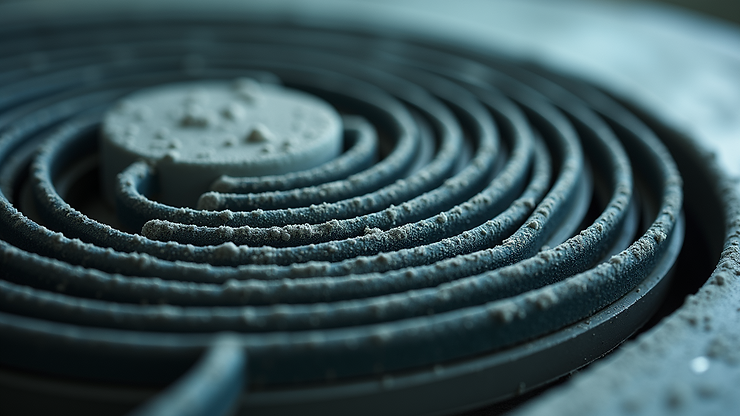
Is it worth it to fix an appliance?
Deciding whether to repair or replace an appliance depends on several factors. These include the appliance's age, the cost of repair, and its overall condition.
Age and Warranty
Appliances typically have a lifespan of 8 to 15 years. If an appliance is nearing or beyond this range, replacement may be more cost-effective. Checking if the appliance is still under warranty can reduce repair expenses.
Cost of Repair vs Replacement
If the repair cost exceeds 50% of the price of a new appliance, replacement is often recommended. Minor repairs such as replacing seals or cleaning components are usually worthwhile.
Energy Efficiency
Older appliances tend to consume more energy. Investing in a new, energy-efficient model can reduce utility bills and environmental impact.
Frequency of Repairs
If an appliance requires frequent repairs, it may indicate underlying issues that justify replacement. Consistent breakdowns can disrupt daily routines and increase long-term costs.
Safety Considerations
Malfunctioning appliances can pose safety risks such as electrical hazards or gas leaks. Prioritizing safety is essential when deciding on repairs.
Practical Troubleshooting Tips for Homeowners
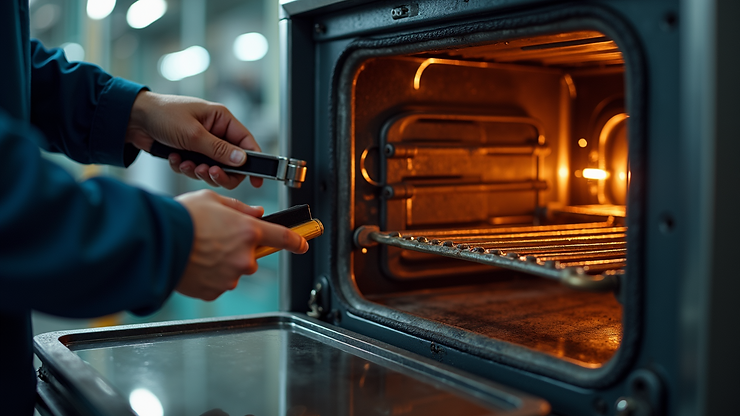
Homeowners can perform basic troubleshooting before seeking professional help. These steps can resolve minor issues and identify when expert service is necessary.
Check Power Supply and Connections
Ensure the appliance is properly plugged in and the circuit breaker is not tripped. Loose or damaged power cords should be replaced.
Clean and Maintain Regularly
Routine cleaning of filters, coils, and vents prevents many common problems. Refer to the appliance manual for recommended maintenance schedules.
Reset the Appliance
Some appliances have reset buttons or can be reset by unplugging for a few minutes. This can clear error codes and restore normal function.
Inspect for Visible Damage
Look for signs of wear such as cracked seals, broken knobs, or water leaks. Addressing these issues early can prevent further damage.
Use Correct Settings and Loads
Operating appliances according to manufacturer guidelines ensures optimal performance. Avoid overloading washing machines or dishwashers.
Consult the User Manual
User manuals often include troubleshooting sections with specific advice for common problems.
When to Call a Professional
Certain issues require professional diagnosis and repair. Attempting complex repairs without expertise can cause further damage or void warranties.
Complex Electrical or Gas Repairs
Repairs involving electrical wiring or gas connections should always be handled by licensed technicians.
Persistent or Unidentified Problems
If troubleshooting does not resolve the issue, professional assessment is necessary to identify hidden faults.
Warranty and Service Agreements
Using authorized repair services preserves warranty coverage and ensures quality parts.
Emergency Situations
In cases of smoke, sparks, or gas smell, immediate professional intervention is critical.
For reliable and prompt service, contacting a trusted provider such as appliance repair toronto ensures expert assistance tailored to local needs.
Maintaining Appliances for Longevity
Proper maintenance extends the life of appliances and reduces the likelihood of breakdowns.
Schedule Regular Inspections
Periodic professional inspections can detect early signs of wear and prevent costly repairs.
Follow Manufacturer Guidelines
Adhering to recommended usage and maintenance instructions preserves appliance condition.
Use Quality Replacement Parts
When repairs are necessary, using manufacturer-approved parts maintains performance and safety.
Keep Appliances Clean and Dry
Moisture and dirt accelerate wear and can cause electrical issues.
Avoid Overloading and Misuse
Operating appliances within their designed capacity prevents strain and damage.
By implementing these practices, homeowners can maximize appliance reliability and efficiency.
This overview of common appliance issues and troubleshooting provides practical guidance for maintaining household appliances. Understanding typical problems, evaluating repair options, and knowing when to seek professional help contribute to effective appliance management. Reliable service providers play a key role in ensuring appliances function safely and efficiently over time.