Ovens are essential appliances in many homes, providing the means to prepare meals efficiently. However, like all appliances, ovens can develop issues over time. Identifying and addressing common oven problems promptly can prevent further damage and ensure safe operation. This article provides practical guidance on diagnosing and fixing typical oven issues encountered in Toronto homes.
Common Oven Problems and Their Causes
Several common problems can affect oven performance. Understanding these issues and their causes is the first step toward effective troubleshooting.
Oven Does Not Heat
One frequent complaint is when the oven fails to heat up. This issue can stem from several causes:
Faulty heating element: The bake or broil element may be damaged or burned out.
Thermostat malfunction: The thermostat may not be accurately sensing temperature.
Electrical issues: Problems with wiring or power supply can prevent heating.
Uneven Cooking or Baking
Uneven heat distribution can result in food being overcooked in some areas and undercooked in others. Causes include:
Broken heating element: Partial failure of the element can cause uneven heat.
Faulty temperature sensor: A malfunctioning sensor may cause incorrect temperature regulation.
Blocked vents: Obstructed airflow inside the oven can affect heat circulation.
Oven Door Problems
Issues with the oven door can affect cooking efficiency and safety:
Door not closing properly: Worn or damaged door seals can cause heat loss.
Broken hinges or latch: Mechanical failure can prevent the door from sealing.
Oven Light Not Working
While not affecting cooking directly, a non-functioning oven light can make it difficult to monitor food:
Burned-out bulb: The simplest cause is a bulb that needs replacement.
Electrical faults: Wiring or switch issues can prevent the light from turning on.
Error Codes and Digital Display Issues
Modern ovens often have digital controls that may display error codes:
Control board failure: Malfunctioning electronics can cause errors.
Sensor problems: Faulty sensors may trigger error messages.
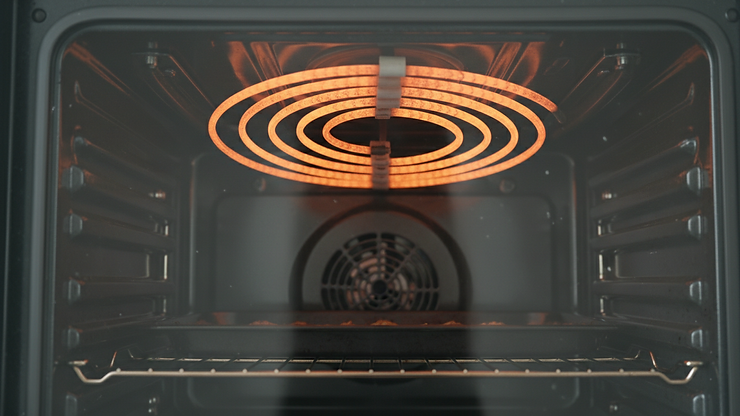
Close-up view of oven heating element inside oven cavity
Oven Troubleshooting Toronto: Practical Steps to Diagnose and Fix
When addressing oven problems, a systematic approach is essential. The following steps provide a practical guide for troubleshooting common issues.
Safety First
Before attempting any repairs, ensure the oven is disconnected from power. This step is critical to avoid electrical shock or injury.
Inspect Heating Elements
Visually examine the bake and broil elements for signs of damage such as cracks or blisters. If damaged, replacement is necessary.
Test the Temperature Sensor
Using a multimeter, check the resistance of the temperature sensor. Consult the oven’s manual for the correct resistance values. A faulty sensor should be replaced.
Check Oven Door Seals
Inspect the door gasket for tears or deformation. Replace the gasket if it no longer forms a tight seal.
Replace Oven Light Bulb
If the oven light is not working, replace the bulb with one specified by the manufacturer.
Review Error Codes
Consult the oven’s user manual to interpret error codes. Some errors may require professional service.
When to Call a Professional
If the problem persists after basic troubleshooting, or if electrical components are involved, it is advisable to seek professional assistance. Reliable oven repair Toronto services can provide expert diagnostics and repairs.
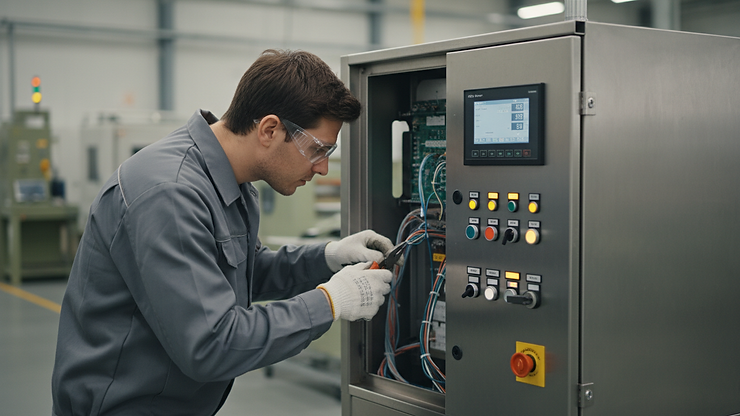
Eye-level view of technician inspecting oven control panel
Is it Worth Fixing a 7 Year Old Oven?
Determining whether to repair or replace an oven that is around seven years old depends on several factors:
Cost of repair vs replacement: If repair costs approach or exceed 50% of the price of a new oven, replacement may be more economical.
Frequency of breakdowns: Multiple or recurring issues suggest that replacement might be more reliable.
Energy efficiency: Newer ovens often have improved energy efficiency, which can reduce operating costs.
Availability of parts: Older models may have limited availability of replacement parts.
In many cases, a well-maintained oven at seven years old can be repaired effectively. However, evaluating the specific condition and repair estimates is essential before deciding.
Preventive Maintenance Tips for Ovens
Regular maintenance can extend the life of an oven and reduce the likelihood of problems.
Clean regularly: Remove food debris and grease to prevent smoke and odors.
Check door seals: Inspect and clean door gaskets to maintain a proper seal.
Avoid harsh chemicals: Use manufacturer-recommended cleaning agents.
Calibrate temperature: Periodically verify oven temperature accuracy with an oven thermometer.
Schedule professional inspections: Annual check-ups by a qualified technician can identify potential issues early.
When to Seek Professional Oven Repair Services in Toronto
While some oven issues can be addressed by homeowners, others require professional expertise. Situations warranting professional service include:
Electrical component failures
Complex control board issues
Gas oven problems involving burners or ignition
Persistent error codes
Safety concerns such as gas leaks or electrical hazards
Enhancing Oven Longevity Through Proper Use
Proper use of the oven can also prevent many common problems:
Avoid slamming the door: This can damage hinges and seals.
Do not overload the oven: Overcrowding can affect heat circulation.
Use appropriate cookware: Follow manufacturer guidelines for cookware types.
Allow proper preheating: Ensures even cooking and reduces stress on heating elements.
By following these guidelines, homeowners can maximize the performance and lifespan of their ovens.
This overview of common oven problems and troubleshooting methods aims to assist homeowners in Toronto and nearby areas in maintaining their appliances effectively. Prompt attention to issues and regular maintenance contribute to safe and efficient oven operation. When in doubt, professional repair services provide the expertise necessary to resolve complex problems.