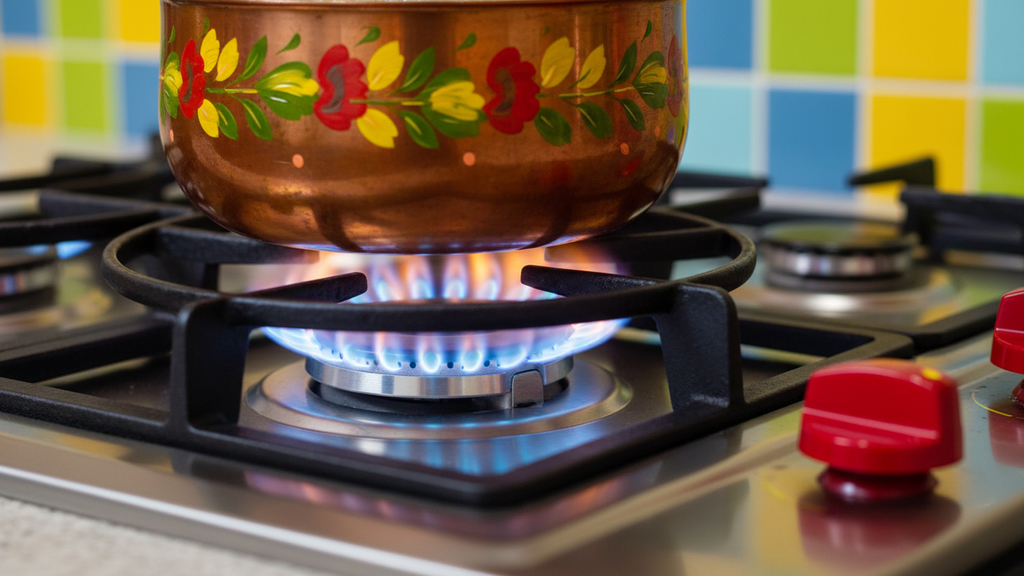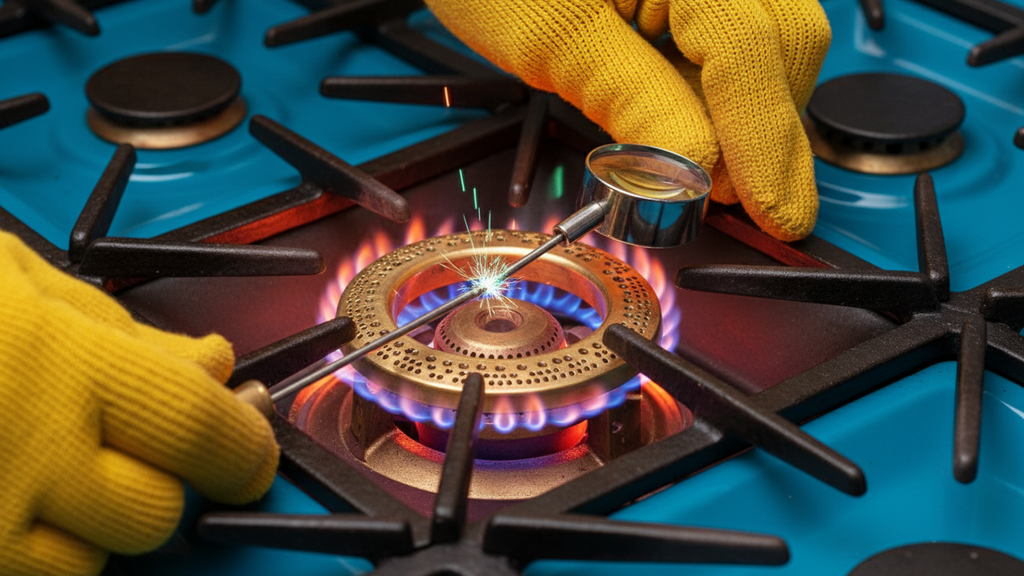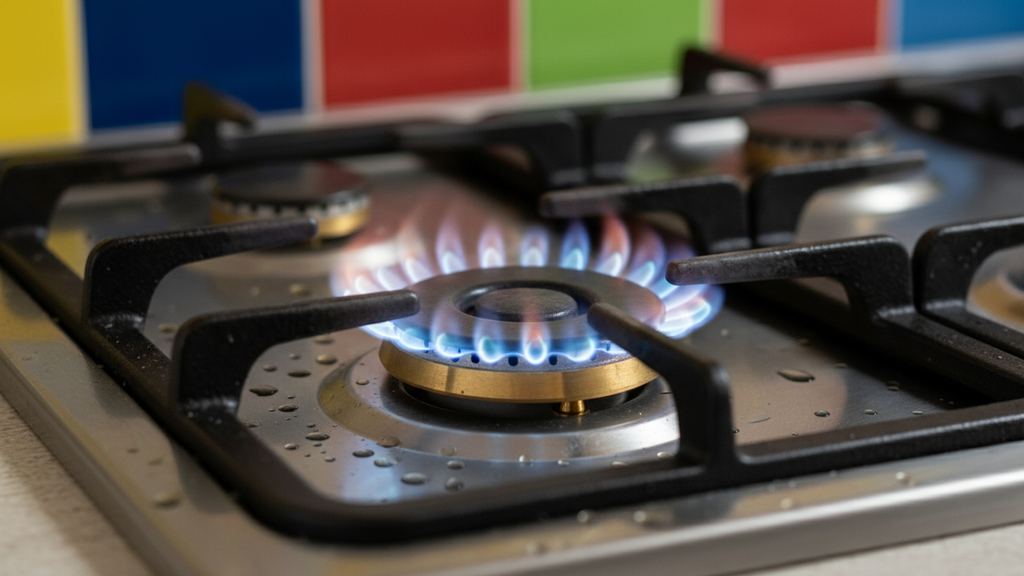
Gas stoves are essential appliances in many homes, providing efficient and controllable heat for cooking. However, like any mechanical device, they can develop issues over time. Understanding how to identify and fix common gas stove problems can save time, money, and inconvenience. This guide offers a clear, step-by-step approach to troubleshooting and repairing gas stove issues, along with practical gas stove maintenance tips to keep your appliance functioning safely and effectively.
Common Gas Stove Problems and How to Fix Them
Gas stoves may experience a variety of problems, ranging from ignition failures to uneven flames. Below are some frequent issues and their solutions:
1. Burner Won't Light
If the burner does not ignite, the problem could be due to clogged burner ports, a faulty igniter, or gas supply issues.
Check the gas supply: Ensure the gas valve is open and the supply line is not kinked or blocked.
Clean the burner ports: Remove the burner cap and use a soft brush or a pin to clear any debris from the small holes where gas flows.
Inspect the igniter: If the igniter does not spark, it may need cleaning or replacement. Use a toothbrush to clean around the igniter and dry it thoroughly.
Test the igniter: Turn the burner knob to the ignite position and listen for a clicking sound. No clicking indicates a faulty igniter or electrical issue.
2. Weak or Uneven Flame
A weak or uneven flame can result from dirty burners, incorrect air-to-gas ratio, or low gas pressure.
Clean the burners: Remove and soak burner caps in warm, soapy water. Scrub gently to remove grease and food residue.
Adjust the air shutter: The air shutter controls the mix of air and gas. Locate the shutter near the burner tube and adjust it to achieve a steady blue flame.
Check gas pressure: Low gas pressure may require professional inspection and adjustment.
3. Burner Flame is Yellow or Orange
A yellow or orange flame indicates incomplete combustion, which can produce carbon monoxide and is unsafe.
Clean the burner thoroughly: Remove any dirt or debris that may block air flow.
Adjust the air shutter: Increase air intake to produce a blue flame.
Ventilate the area: Ensure proper ventilation to avoid gas buildup.
4. Gas Odor Near Stove
If you smell gas near the stove, it is critical to act immediately.
Turn off the gas supply: Locate the main gas valve and shut it off.
Ventilate the area: Open windows and doors to disperse gas.
Avoid flames or sparks: Do not light matches, use electrical switches, or operate appliances.
Call a professional: Contact a certified technician or emergency gas service.
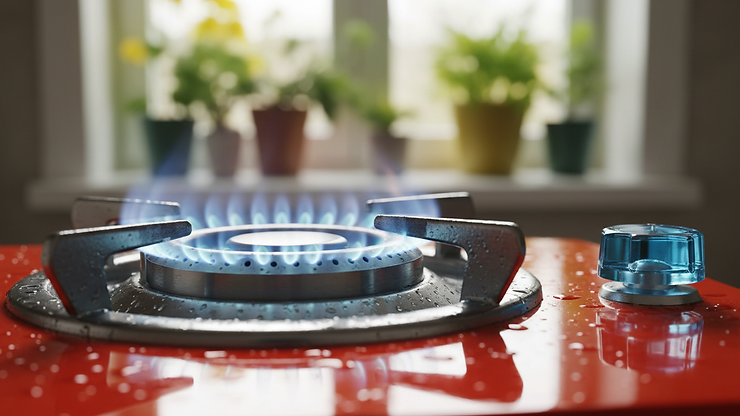
Gas Stove Maintenance Tips for Longevity and Safety
Regular maintenance is essential to keep a gas stove operating efficiently and safely. Here are practical tips to maintain your gas stove:
1. Clean Burners and Grates Regularly
Food spills and grease can clog burner ports and affect flame quality.
Remove burner grates and caps.
Soak them in warm, soapy water.
Use a non-abrasive scrubber to clean.
Dry thoroughly before reassembling.
2. Inspect Igniters and Spark Modules
Igniters can accumulate dirt or grease, reducing their effectiveness.
Clean igniters gently with a toothbrush.
Check for visible damage or wear.
Replace faulty igniters promptly.
3. Check Gas Connections and Hoses
Leaks or loose connections can be hazardous.
Inspect hoses for cracks or wear.
Tighten any loose fittings.
Use a soap and water solution to check for leaks (bubbles indicate a leak).
If leaks are detected, shut off gas and call a professional.
4. Maintain Proper Ventilation
Good ventilation prevents gas buildup and improves combustion.
Ensure range hoods and exhaust fans are clean and functional.
Keep kitchen windows open when cooking if possible.
5. Schedule Professional Inspections
Annual inspections by certified technicians can identify hidden issues.
Professionals can test gas pressure.
They can clean internal components.
They ensure safety compliance.
These maintenance steps help prevent common problems and extend the life of your gas stove.
What's the Average Lifespan of a Gas Stove?
Understanding the typical lifespan of a gas stove helps in planning maintenance and replacement.
Average lifespan: Most gas stoves last between 15 to 20 years with proper care.
Factors affecting lifespan: Frequency of use, maintenance quality, and build quality.
Signs of aging: Difficulty igniting, inconsistent flames, and frequent repairs.
When to replace: If repairs become frequent or costly, or if safety concerns arise.
Regular maintenance can maximize the lifespan, but knowing when to replace the appliance is equally important for safety and efficiency.
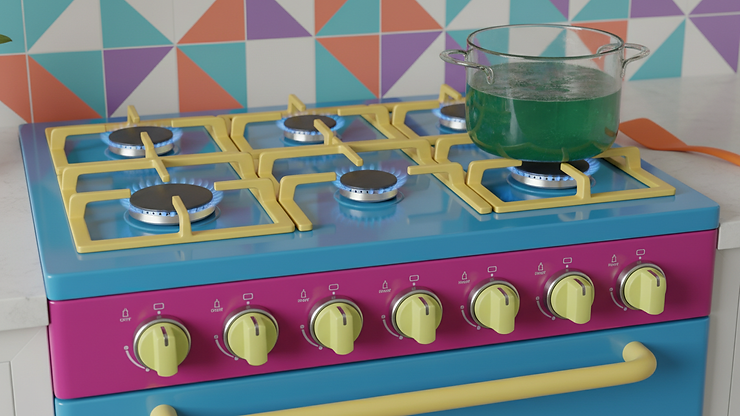
Step-by-Step Guide to Fixing Gas Stove Problems
This section provides a systematic approach to diagnosing and fixing common gas stove issues.
Step 1: Safety First
Turn off the gas supply before starting any repair.
Ensure the stove is cool.
Work in a well-ventilated area.
Have a fire extinguisher nearby.
Step 2: Identify the Problem
Observe the stove’s behavior.
Note any unusual smells, sounds, or flame colors.
Check if all burners are affected or just one.
Step 3: Clean Components
Remove burner grates and caps.
Clean burner ports with a brush or pin.
Clean igniters carefully.
Wipe down surfaces to remove grease.
Step 4: Test Ignition System
Turn the knob to ignite.
Listen for clicking.
If no spark, check electrical connections or replace igniter.
Step 5: Adjust Air Shutter
Locate the air shutter near the burner tube.
Adjust to achieve a steady blue flame.
Avoid excessive air that causes flame to lift.
Step 6: Check Gas Supply
Ensure the gas valve is open.
Inspect hoses for damage.
Use soap solution to detect leaks.
If leaks or pressure issues are suspected, contact a professional.
Step 7: Reassemble and Test
Replace burner caps and grates.
Turn on burners to test flame quality.
Observe for consistent ignition and flame color.
If problems persist after these steps, professional service may be necessary. For residents in Toronto and surrounding areas, reliable assistance is available through gas stove repair toronto.
Maintaining Safety and Efficiency in Gas Stove Use
Proper use and regular maintenance of gas stoves contribute to household safety and energy efficiency.
Use the right cookware: Flat-bottomed pots and pans ensure even heat distribution.
Avoid blocking burner ports: Keep burners free from spills and debris.
Turn off burners promptly: Prevent gas leaks and conserve energy.
Monitor flame color: Blue flames indicate efficient combustion; yellow or orange flames require attention.
Install carbon monoxide detectors: Gas stoves can produce carbon monoxide if not functioning properly.
Adhering to these practices reduces risks and enhances the performance of your gas stove.
By following these detailed steps and maintenance tips, homeowners can effectively address common gas stove problems and ensure their appliance remains safe and reliable. Regular care and timely repairs contribute to the longevity and efficiency of gas stoves, supporting a well-functioning kitchen environment.