Washing machines are essential appliances in most households, providing convenience and efficiency in daily laundry tasks. However, like any mechanical device, washers can encounter problems that disrupt their operation. Identifying and addressing these issues promptly can save time, money, and prevent further damage. This article offers practical washer troubleshooting tips specifically tailored for residents in North York, aiming to assist homeowners in diagnosing common washer problems and deciding when professional help is necessary.
Common Washer Troubleshooting Tips
Understanding the typical issues that washing machines face is the first step in effective troubleshooting. Below are some frequent problems and practical steps to address them:
Washer Won't Start
Check if the machine is properly plugged in and the circuit breaker has not tripped. Inspect the door or lid switch, as many washers will not operate if the door is not securely closed. If the washer has a digital display, look for error codes and consult the user manual.
Washer Does Not Fill with Water
Ensure the water supply valves are fully open. Inspect the inlet hoses for kinks or blockages. The water inlet valve may be faulty and require replacement.
Washer Does Not Drain
A clogged drain hose or pump filter can prevent water from draining. Remove and clean the filter if accessible. Check the drain hose for obstructions or improper installation.
Washer Vibrates Excessively
Uneven flooring or an unbalanced load can cause vibration. Level the washer using adjustable feet and redistribute clothes evenly inside the drum.
Washer Makes Loud Noises
Foreign objects such as coins or buttons can get trapped in the drum or pump. Inspect and remove any debris. Worn bearings or belts may also cause noise and require professional assessment.
Washer Leaves Clothes Wet
This may indicate a drainage issue or a malfunctioning spin cycle. Verify that the drain hose is clear and the spin cycle is selected correctly.
These steps provide a starting point for diagnosing washer problems. For more complex issues, professional assistance is advisable.
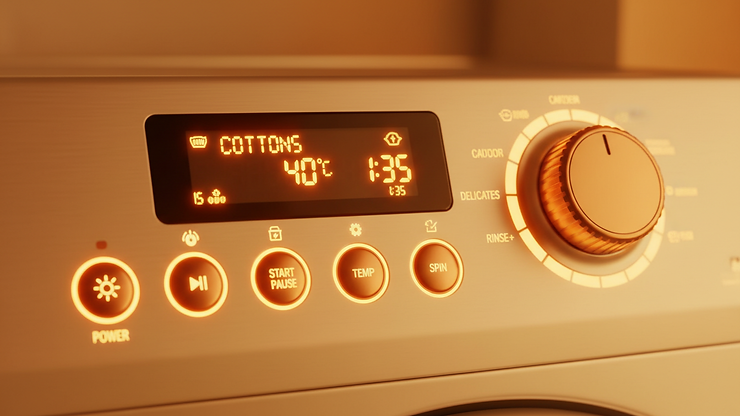
Is it worth getting a washing machine repaired?
Deciding whether to repair or replace a washing machine depends on several factors including the age of the appliance, the cost of repair, and the severity of the problem. Generally, washing machines have an average lifespan of 10 to 15 years. If the washer is relatively new and the repair cost is less than half the price of a new machine, repair is often worthwhile.
Consider the following when evaluating repair options:
Age of the Washer: Older machines may have multiple worn components, making repairs less cost-effective.
Frequency of Repairs: If the washer has required frequent repairs recently, replacement might be more economical.
Energy Efficiency: Newer models tend to be more energy-efficient, potentially reducing utility bills.
Availability of Parts: For older models, parts may be difficult to source or expensive.
In many cases, a professional technician can provide an assessment and estimate to help make an informed decision. For residents in North York, consulting a trusted service provider specializing in washer repair can ensure reliable advice.
Basic Maintenance to Prevent Washer Problems
Regular maintenance can extend the life of a washing machine and reduce the likelihood of breakdowns. Homeowners should consider the following maintenance practices:
Clean the Washer Drum and Dispensers
Residue from detergents and fabric softeners can build up over time. Running a cleaning cycle with a washing machine cleaner or a mixture of vinegar and baking soda helps maintain cleanliness.
Inspect and Clean Filters and Hoses
Periodically check the water inlet filters and drain pump filters for debris. Clean or replace hoses if signs of wear or leaks are present.
Avoid Overloading
Overloading the washer can strain the motor and suspension system. Follow manufacturer guidelines for load capacity.
Use the Correct Detergent
Using high-efficiency (HE) detergent in HE washers prevents excess suds and residue buildup.
Leave the Door Open After Use
Allowing the door to remain open after cycles helps prevent mold and mildew growth inside the drum.
Implementing these maintenance tips can reduce common washer problems and improve performance.
When to Seek Professional Washer Repair Services
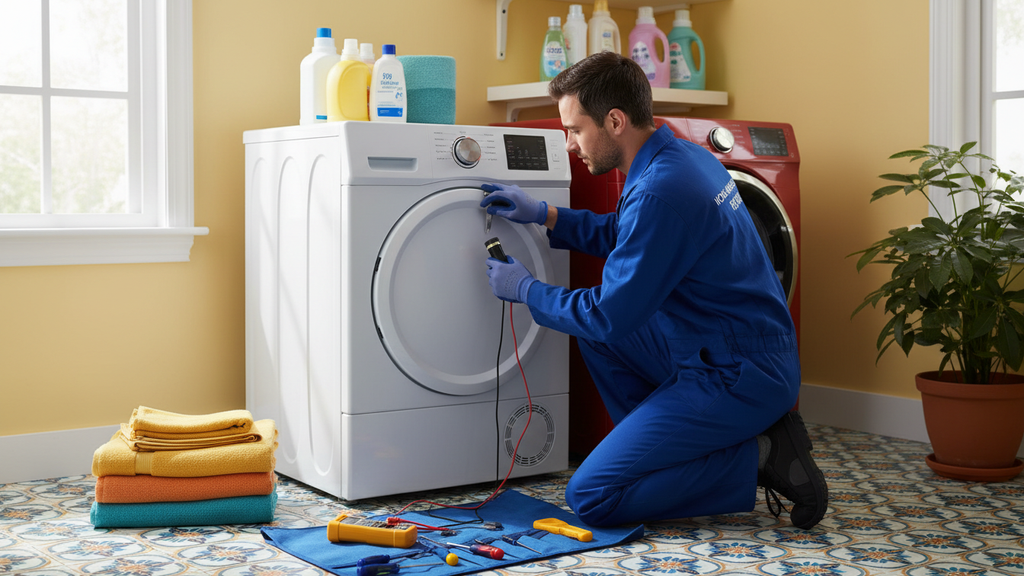
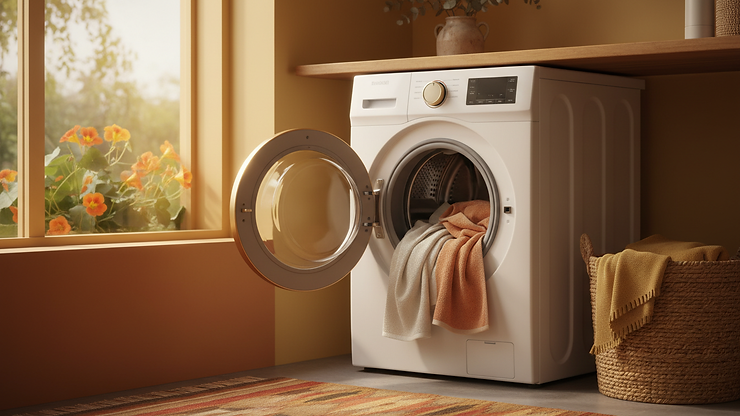
While many washer issues can be addressed with basic troubleshooting and maintenance, some problems require professional expertise. Situations that warrant contacting a technician include:
Persistent error codes or malfunctioning electronic controls.
Mechanical failures such as broken belts, faulty motors, or damaged drum bearings.
Water leaks that cannot be traced to hoses or connections.
Electrical issues including power failures or unusual smells.
Complex drainage or spin cycle problems.
Engaging a professional ensures that repairs are performed safely and correctly, minimizing the risk of further damage. For residents in North York, accessing reliable washer repair north york services can provide peace of mind and restore appliance functionality efficiently.
Understanding Washer Error Codes and What They Mean
Modern washing machines often display error codes to indicate specific problems. Familiarity with these codes can assist in diagnosing issues quickly. Common error codes include:
E1 or F1: Water supply problem - check inlet hoses and valves.
E2 or F2: Drainage issue - inspect drain hose and pump.
E3 or F3: Door lock error - ensure door is closed properly.
E4 or F4: Water overflow - may indicate a faulty water level sensor.
E5 or F5: Motor or spin error - could require professional repair.
Consulting the washer’s user manual or manufacturer’s website provides detailed explanations of error codes. Addressing the indicated problem promptly can prevent further complications.
Final Thoughts on Washer Troubleshooting in North York
Effective washer troubleshooting involves a combination of basic maintenance, careful observation, and timely professional intervention. Homeowners in North York can benefit from understanding common washer problems and how to address them safely. Regular upkeep and prompt attention to issues help maintain appliance performance and extend its lifespan.
When in doubt, seeking assistance from a reputable service provider ensures that repairs are conducted with expertise and reliability. This approach supports the goal of maintaining a functional and efficient household appliance, reducing inconvenience and unexpected expenses.
By applying these washer troubleshooting tips and knowing when to call for professional help, homeowners can manage washer problems confidently and effectively.