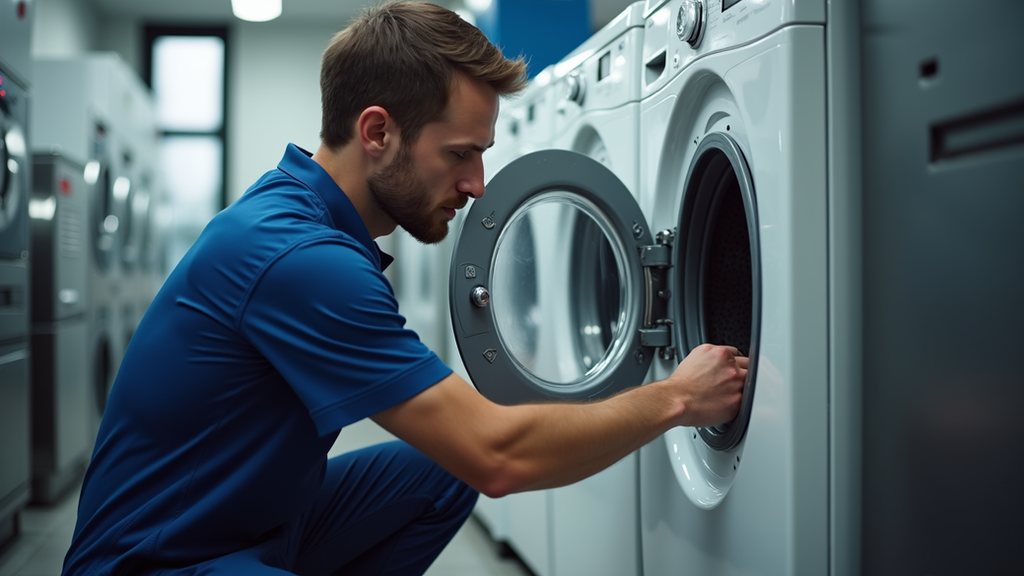
Proper maintenance of household appliances is essential to ensure their longevity, efficiency, and safety. Appliances such as refrigerators, washing machines, ovens, and dishwashers are integral to daily life. Neglecting their upkeep can lead to costly repairs or replacements. This article provides practical advice on maintaining common home appliances, helping to avoid unexpected breakdowns and improve performance.
Essential Maintenance Tips for Appliances
Regular care and attention can significantly extend the life of appliances. Here are some fundamental maintenance tips that apply to most household devices:
Read the Manufacturer’s Manual: Each appliance comes with specific instructions for care and maintenance. Following these guidelines ensures proper use and helps avoid voiding warranties.
Clean Regularly: Dust, dirt, and food residues can impair appliance function. For example, cleaning refrigerator coils or oven interiors prevents overheating and improves efficiency.
Inspect for Wear and Tear: Check hoses, seals, and electrical cords for signs of damage. Early detection of cracks or leaks can prevent water damage or electrical hazards.
Use Appliances Properly: Avoid overloading washing machines or dishwashers. Using appliances within their capacity reduces strain on components.
Schedule Professional Servicing: Annual or biannual inspections by qualified technicians can identify potential issues before they escalate.
Implementing these steps consistently will maintain appliance performance and reduce energy consumption.
What’s the Most Overlooked Home Maintenance Task?
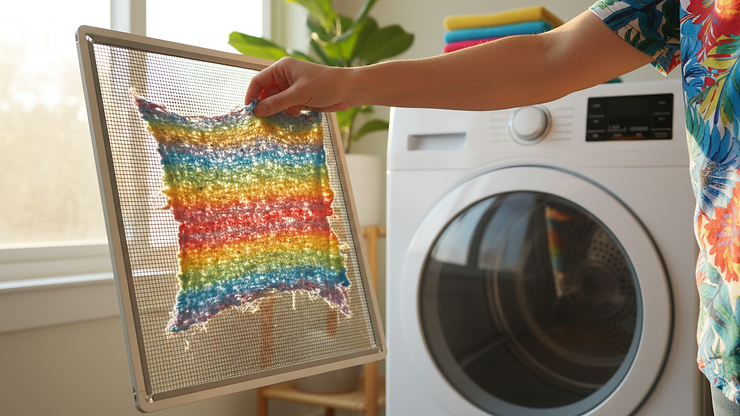
Among various upkeep activities, cleaning appliance filters and vents is often neglected. Filters in dryers, air conditioners, and vacuum cleaners accumulate lint, dust, and debris over time. This buildup restricts airflow, causing appliances to work harder and consume more energy.
For example, dryer lint filters should be cleaned after every use to prevent fire hazards and improve drying efficiency. Similarly, refrigerator air filters and dishwasher filters require periodic cleaning to maintain hygiene and function.
Neglecting these small but critical tasks can lead to reduced appliance lifespan and increased utility bills. Setting reminders for filter cleaning can help maintain optimal appliance operation.
Refrigerator Maintenance Tips
The refrigerator is one of the most used appliances in a household. Proper maintenance ensures food safety and energy efficiency.
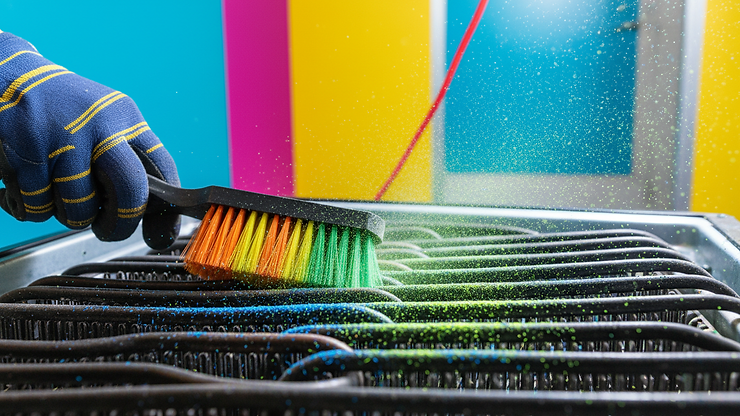
Clean the Coils: Dust and dirt on condenser coils reduce cooling efficiency. Cleaning coils every six months with a vacuum or brush is recommended.
Check Door Seals: Worn or damaged seals allow cold air to escape. Inspect seals regularly and replace if necessary to maintain temperature.
Defrost Regularly: Manual defrost models require periodic defrosting to prevent ice buildup, which impairs cooling.
Maintain Proper Temperature: Set the fridge between 3°C and 5°C and the freezer at -18°C for optimal food preservation.
Organize Contents: Avoid overpacking to allow air circulation inside the fridge.
These steps help reduce energy consumption and prevent spoilage.
Washing Machine Care Guidelines
Washing machines are prone to issues caused by detergent residue, mold, and mechanical wear. Proper maintenance can prevent these problems.
Use the Right Detergent: High-efficiency machines require low-sudsing detergents. Excess suds can damage the machine.
Clean the Drum and Dispenser: Run a monthly cleaning cycle with vinegar or a washing machine cleaner to remove buildup.
Inspect Hoses: Check water inlet and drain hoses for cracks or leaks. Replace hoses every five years or sooner if damaged.
Level the Machine: Ensure the washing machine is level to prevent excessive vibration and noise.
Leave the Door Open: After use, leave the door open to allow the interior to dry and prevent mold growth.
Following these guidelines will maintain washing machine performance and hygiene.
Oven and Stove Maintenance
Ovens and stoves require regular cleaning and inspection to ensure safety and efficiency.
Clean Spills Immediately: Food spills can burn and create smoke or odors. Wipe spills promptly after the oven cools.
Check Burner Flames: Blue flames indicate proper combustion. Yellow or orange flames may signal gas issues requiring professional inspection.
Inspect Door Seals: Oven door seals should be intact to maintain temperature. Replace damaged seals to improve cooking efficiency.
Clean Oven Racks and Interior: Remove racks and clean with warm soapy water. Use appropriate oven cleaners for the interior.
Test Temperature Accuracy: Use an oven thermometer to verify temperature settings and adjust as needed.
Regular maintenance reduces fire risks and improves cooking results.
Dishwasher Maintenance Recommendations
Dishwashers often accumulate food particles and mineral deposits that affect cleaning performance.
Clean the Filter: Remove and clean the dishwasher filter monthly to prevent clogs.
Inspect Spray Arms: Check spray arms for blockages and clean holes with a toothpick or brush.
Use Rinse Aid: Rinse aid helps prevent water spots and improves drying.
Run Hot Water Before Starting: Running hot water in the sink before starting the dishwasher ensures immediate hot water supply.
Check Drainage: Ensure the dishwasher drains properly to avoid standing water and odors.
Proper care keeps dishwashers running efficiently and extends their lifespan.
Final Thoughts on Appliance Care
Consistent maintenance of household appliances is a practical approach to avoid unexpected failures and costly repairs. By following these straightforward steps, homeowners can ensure their appliances operate safely and efficiently for years. Regular cleaning, inspection, and professional servicing form the foundation of effective appliance care.
For those seeking detailed guidance, consulting appliance maintenance tips from trusted sources can provide additional insights tailored to specific appliance models and brands.
Adopting these maintenance practices supports the goal of reliable and long-lasting home appliances, contributing to a well-functioning household environment.