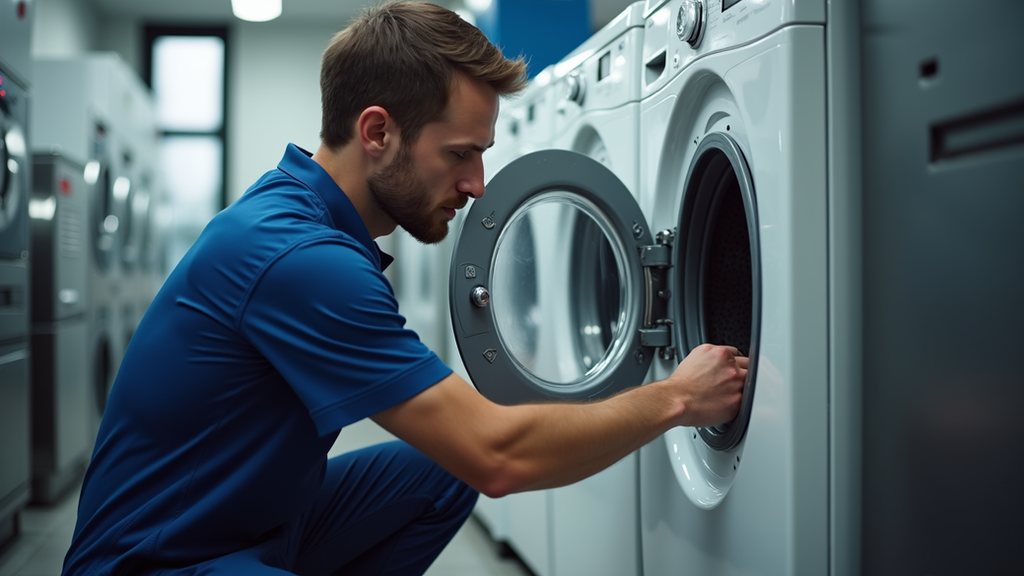
Maintaining household appliances is essential for ensuring their longevity and efficient operation. Proper care reduces the likelihood of unexpected breakdowns and costly repairs. This article provides practical advice on how to keep common home appliances in optimal condition. The focus is on straightforward, actionable steps that homeowners can implement with ease.
Essential Home Appliance Care Tips
Regular maintenance of appliances such as refrigerators, washing machines, ovens, and dishwashers can prevent many common issues. Here are some key tips to consider:
Clean appliance filters and vents regularly. Dust and debris accumulation can reduce efficiency and cause overheating.
Inspect seals and gaskets. For refrigerators and ovens, ensure door seals are intact to maintain temperature control.
Avoid overloading appliances. Overloading washing machines or dishwashers can strain motors and reduce cleaning effectiveness.
Use appliances according to manufacturer guidelines. This includes recommended detergents, temperature settings, and load sizes.
Schedule periodic professional inspections. A qualified technician can identify potential problems before they escalate.
Implementing these steps helps maintain appliance performance and extends their service life.
Understanding Home Appliance Care Tips in Depth
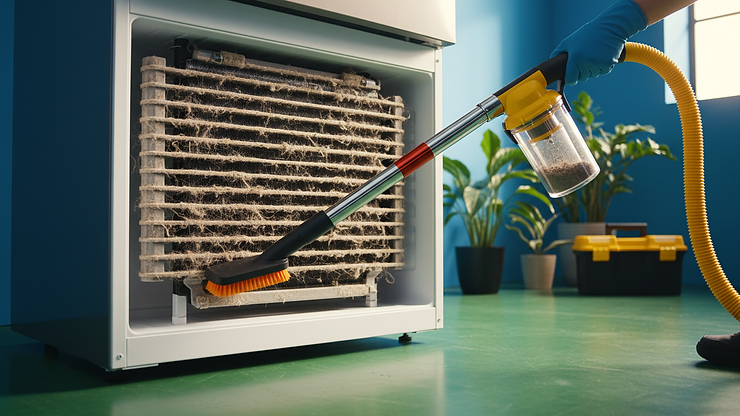
Each appliance requires specific care tailored to its function and design. For example, refrigerators benefit from regular coil cleaning to improve cooling efficiency. Coils located at the back or underneath the unit can accumulate dust, which forces the compressor to work harder.
Washing machines need attention to the drum and detergent dispensers. Residue buildup can cause odors and reduce washing quality. Running a cleaning cycle with a washing machine cleaner or vinegar monthly can mitigate this.
Ovens and stoves require cleaning of burners and drip pans to prevent food residue buildup, which can affect heating performance. Additionally, checking the calibration of oven thermostats ensures accurate cooking temperatures.
Dishwashers should have their spray arms and filters cleaned regularly to maintain water flow and cleaning power. Inspecting and replacing worn door seals prevents leaks and water damage.
These specific care actions contribute to the overall reliability and efficiency of household appliances.
What's the Most Overlooked Home Maintenance Task?
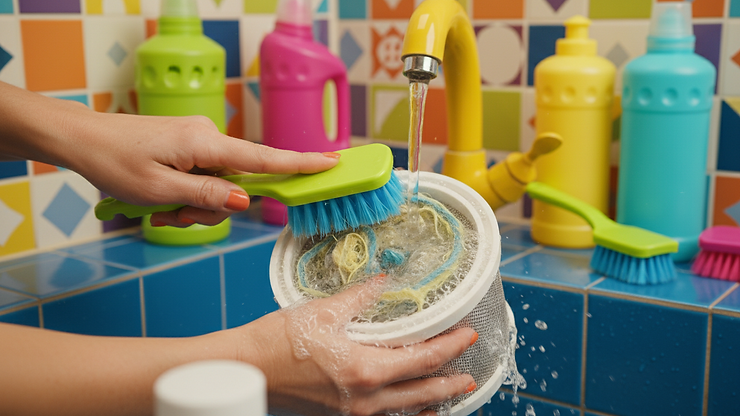
One of the most frequently neglected tasks in home appliance care is cleaning appliance filters and vents. Filters in dryers, air conditioners, and range hoods accumulate lint, dust, and grease over time. This buildup restricts airflow, reduces efficiency, and can pose fire hazards.
For example, dryer lint filters should be cleaned after every use to prevent overheating and potential fires. Range hood filters require periodic washing to maintain proper ventilation and reduce kitchen odors.
Neglecting these filters not only shortens appliance lifespan but also increases energy consumption. Regular attention to this simple task is a cost-effective way to maintain appliance safety and performance.
Practical Steps for Routine Appliance Maintenance
To establish a consistent maintenance routine, consider the following practical steps:
Create a maintenance schedule. Assign specific tasks to monthly, quarterly, and annual intervals.
Keep user manuals accessible. Refer to manufacturer instructions for recommended maintenance procedures.
Use appropriate cleaning tools. Soft cloths, brushes, and vacuum attachments help avoid damage.
Monitor appliance performance. Note any unusual noises, smells, or operational changes.
Address minor issues promptly. Early intervention can prevent major repairs.
By following these steps, homeowners can systematically care for their appliances and avoid unexpected failures.
Extending Appliance Lifespan Through Preventive Care
Preventive maintenance is the most effective way to extend the lifespan of home appliances. This approach focuses on identifying and resolving potential problems before they cause breakdowns.
For instance, lubricating moving parts in appliances like washing machines and dishwashers reduces wear and tear. Checking electrical connections and cords for damage prevents electrical hazards.
Additionally, maintaining proper appliance placement ensures adequate ventilation and reduces overheating risks. Avoid placing appliances too close to walls or other objects that block airflow.
Adopting preventive care practices not only saves money on repairs but also contributes to energy efficiency and environmental sustainability.
Implementing these home appliance care tips can significantly improve the reliability and efficiency of household appliances. Regular maintenance, attention to detail, and timely professional support form the foundation of effective appliance management. For more detailed guidance, consider exploring appliance maintenance tips to ensure your home appliances remain in excellent condition.